
"Ministry of Foreign Affairs"
200 article(s) found

A brief introduction to the planting Market Price of Fine Coffee Bean varieties in Incht Manor
There are narrow coastal plains on the Pacific coast. The major cities are mostly distributed in the intermountain basins in the south. Located in the tropics, the northern and eastern coastal plains have a tropical rain forest climate, and the southern mountains have a subtropical climate. The year is divided into two dry and wet seasons, with wet seasons from May to October and dry seasons from November to April of the following year. The annual precipitation is 2000-3000 mm in the northeast and 500-1000 mm in the south. Forest

A brief introduction to the description of the flavor, taste and aroma characteristics of coffee beans in Incht Manor
Guatemala? Huitz Matig Manor in Vivette South Fruit District won the first place in COE in 2005. At the time of harvest, half of it is still in harvest. The manor is located deep in the mountains and has no access to electricity. Therefore, the use of mountain springs, self-hydro power to refine coffee. Water flow is used for specific gravity separation, and hydraulic power is used to perfect dry fermentation of seeds with pulp and slime.

A brief introduction to the treatment method of grinding degree and baking degree of fine coffee beans in Incht Manor
Members of the 2009 Guatemala delegation include Mr. Matsumoto of Matsumoto Coffee Co., Ltd., Mr. Benchi of Old New Co., Ltd., and Mr. Takai and Mr. Masayama of Sumitomo Co., Ltd. The problem of jet lag is gone. Everyone is in high spirits except Mr. Songyuan! The first manors to visit in Guatemala are the San Marco district and the Las Rosas de Oakland estate. On the way, I saw nothing with the coffee farm.

A brief introduction to the Market Price of Fine Coffee Bean varieties in Incht Manor with High smoothness and hardness
There are many rivers pouring into Oakland Manor. This mountain soil is rich in water and good soil breeds a perfect taste, sour taste and gorgeous aroma. Guatemala is the most backward country in Central America. There is no farmland reform, but there are differences. The farmer family will always be the farmer and the employee will always be. No matter how smart you are or how hard you try, you can't change. In this.

A brief introduction to the Origin, Development, History and Culture of Fine Coffee beans in Incht Manor with balanced Nutrition
Hidden in the mountains of the main house and perfect drying field in this Oakland Manor there are many rivers pouring into. This mountain soil is rich in water and good soil breeds a perfect taste, sour taste and gorgeous aroma. Guatemala is the most backward country in Central America. There is no farmland reform, but there are differences. The farmer family will always be the farmer and the employee will always be. No matter how much you

A brief introduction to the History and Culture of the Origin and Development of Fine Coffee beans in Incht Manor
Guatemala City is the capital and largest city of Guatemala, the national economic and cultural center, located in the valleys of central Guatemala, because of the spring all the year round, it is known as the country of Hengchun. It is the largest city in Central America. Founded in 1524. Due to repeated damage by the earthquake, he moved to his present site in 1776. The location of Guatemala City was before 2000, and there was the ancient Mayan city of Kaminalj.

A brief description of the flavor, taste and aroma characteristics of fine coffee beans in Incht Manor with high smoothness and hardness.
Guatemala is the most backward country in Central America. There is no farmland reform, but there are differences. The farmer family will always be the farmer and the employee will always be. No matter how smart you are or how hard you try, you can't change. It's a matter of course in this country. After leaving Oakland Manor, continue to drive about 5 hours to Vivette Nanguo area. You have to take a shuttle truck to get to this manor.

A brief introduction to the treatment method of grinding degree and baking degree of fine coffee beans in Incht Manor with balanced nutrition
Guatemala? Vivette South Fruit District "Huitz Matig Manor" won the first place in COE in 2005. At the time of harvest, half of it is still in harvest. The manor is located deep in the mountains and has no access to electricity. Therefore, the use of mountain springs, self-hydro power to refine coffee. Water flow is used for specific gravity separation, and hydraulic power is used to dry the seeds with pulp and slime.

A brief introduction to the planting situation of fine coffee beans in Incht Manor with high smoothness and hardness, geographical location, climate and altitude
Located in the northern part of Central America, bordering Mexico, Belize, Honduras and El Salvador. It is bordered by the Pacific Ocean to the south and the Gulf of Honduras in the Caribbean Sea to the east, bordering Mexico, El Salvador, Honduras and Belize on land. 2/3 of the territory consists of mountains and plateaus. There are Kuchu Matanes Mountains in the west, Madre Mountains in the south, and volcanic belts in the west and south.

A brief introduction to the history and culture of the origin and development of fine coffee beans in Incht Manor with high smoothness and hardness.
Guatemala is the most backward country in Central America. There is no farmland reform, but there are differences. The farmer family will always be the farmer and the employee will always be. No matter how smart you are or how hard you try, you can't change. It's a matter of course in this country. After leaving Oakland Manor, continue to drive about 5 hours to Vivette Nanguo area. You have to take a shuttle truck to get to this manor.

A brief introduction to the Market Price of Fine Coffee Bean varieties in La Tisa Manor, Guatemala
After being dull, Antigua is now run by the last remaining Indians. These hardworking Indians became later coffee producers. They not only discovered the rich and attractive unique smell of Antigua coffee, but also brought it to people all over the world. Today, Antigua coffee enjoys a reputation as the best quality coffee in the world and is known as a coffee connoisseur.
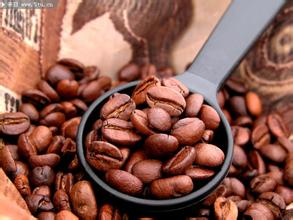
Rwandan coffee is the best coffee in Rwanda.
Rwandans have been growing coffee since colonial times, but until 1999, the product was classified as below grade C and was not available on the global market. The reason for the poor quality is that farmers do not have a fixed procedure for cleaning coffee beans, and they do not process coffee fruits according to specifications in time. Buyers pay $0.33 a kilo for coffee beans, farmers keep warm on meager profits from low prices

Boutique Coffee Rwanda Coffee Manor 1756 members small farmers
Rwandans have been growing coffee since colonial times, but until 1999, its products were still classified as below Class C and were not popular in the global market. The reason for the poor quality is that farmers do not have a fixed procedure for washing coffee beans and do not process coffee fruits according to specifications in time. Buyers buy coffee beans at $0.33 per kilogram, and farmers keep warm by the meagre profits earned at low prices.

Boutique coffee Rwanda coffee flavor red apple, cherry, cinnamon, honey
Rwandans have been growing coffee since colonial times, but until 1999, its products were still classified as below Class C and were not popular in the global market. The reason for the poor quality is that farmers do not have a fixed procedure for washing coffee beans and do not process coffee fruits according to specifications in time. Buyers buy coffee beans at $0.33 per kilogram, and farmers keep warm by the meagre profits earned at low prices.

Fine coffee Rwanda coffee producing area Western Province Lutexiluo producing area
Rwandans have been growing coffee since colonial times, but until 1999, the product was classified as below grade C and was not available on the global market. The reason for the poor quality is that farmers do not have a fixed procedure for cleaning coffee beans, and they do not process coffee fruits according to specifications in time. Buyers pay $0.33 a kilo for coffee beans, farmers keep warm on meager profits from low prices

Fine coffee Rwanda coffee treatment method washing, elevated scaffolding sun drying
Rwandans have been growing coffee since colonial times, but until 1999, its products were still classified as below Class C and were not popular in the global market. The reason for the poor quality is that farmers do not have a fixed procedure for washing coffee beans and do not process coffee fruits according to specifications in time. Buyers buy coffee beans at $0.33 per kilogram, and farmers keep warm by the meagre profits earned at low prices.
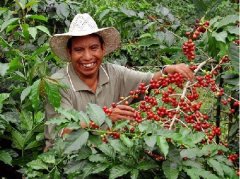
Guatemalan National Coffee Guatemala Coffee producing area Etiran Atitlan
Professional barista communication please follow the coffee workshop (Wechat official account cafe_style) Guatemala Republic Repblica de Guatemala (Spanish) general name: Guatemala Flag of Guatemala.svg Coat of arms of Guatemala.svg flag national emblem national motto: Libre Crezca Fecundo. (Spanish) develop freedom, promote
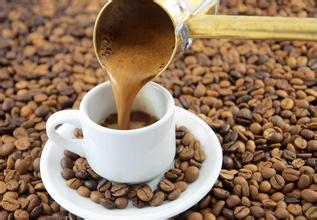
Boutique coffee Rwanda coffee origin Rwanda coffee practice
Rwandans have been growing coffee since colonial times, but until 1999, its products were still classified as below Class C and were not popular in the global market. The reason for the poor quality is that farmers do not have a fixed procedure for washing coffee beans and do not process coffee fruits according to specifications in time. Buyers buy coffee beans at $0.33 per kilogram, and farmers keep warm by the meagre profits earned at low prices.
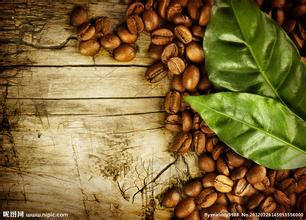
Boutique Coffee Rwanda Coffee Manor 1756 members small farmers
Rwandans have been growing coffee since colonial times, but until 1999, its products were still classified as below Class C and were not popular in the global market. The reason for the poor quality is that farmers do not have a fixed procedure for washing coffee beans and do not process coffee fruits according to specifications in time. Buyers buy coffee beans at $0.33 per kilogram, and farmers keep warm by the meagre profits earned at low prices.
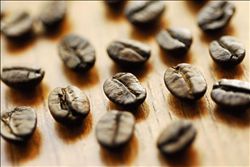
Fine coffee Rwanda Coffee introduces the characteristics of Rwanda Coffee
Rwandans have been growing coffee since colonial times, but until 1999, its products were still classified as below Class C and were not popular in the global market. The reason for the poor quality is that farmers do not have a fixed procedure for washing coffee beans and do not process coffee fruits according to specifications in time. Buyers buy coffee beans at $0.33 per kilogram, and farmers keep warm by the meagre profits earned at low prices.